Beginner Guide to Backend Development with Python (Step-by-Step)
If you have ever wondered how websites handle logins, store data, or process payments, the answer lies in backend development. While the frontend is what users see, the backend is the engine that powers everything behind the scenes. In this beginner-friendly guide, you will learn how to get started with backend development using Python — one of the most popular and powerful programming languages available today.
What is Backend Development?
Backend development refers to the server-side part of a website or application. It handles data storage through databases, server logic, authentication systems such as logins, and APIs that manage communication between different systems. In simple terms, the backend is what makes a website actually work.
Why Use Python for Backend Development?
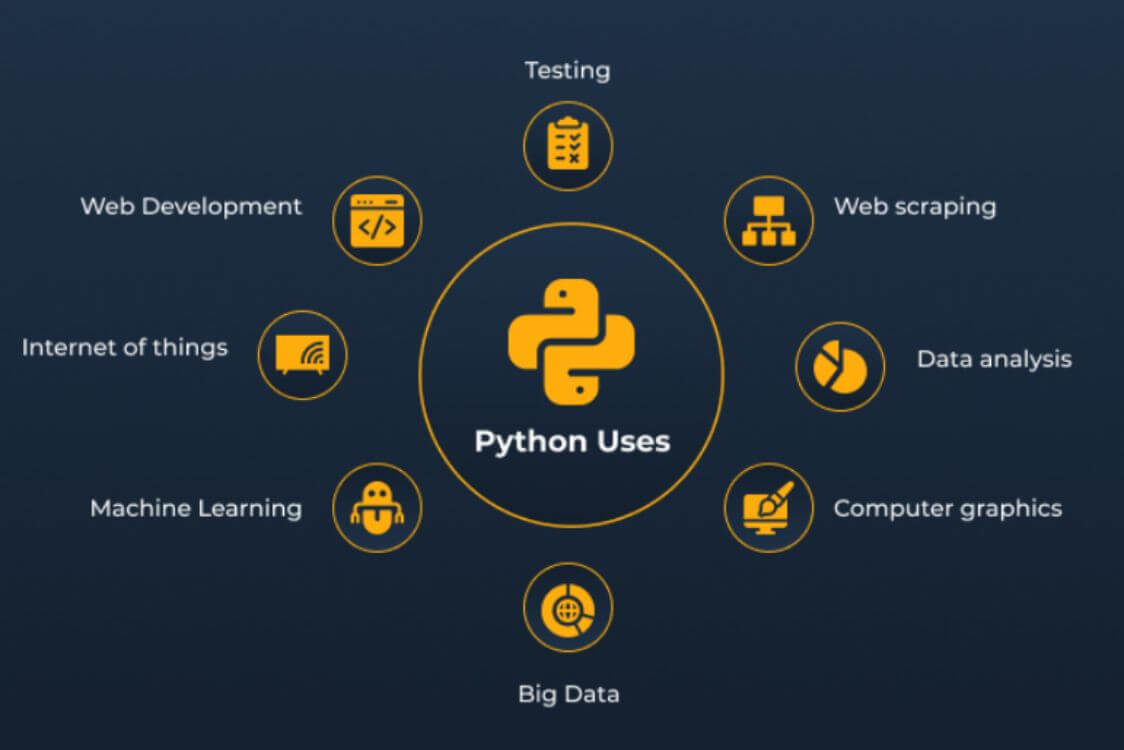
Python is widely used for backend development for good reason. It is easy to learn and beginner-friendly, yet powerful and flexible enough for complex applications. It is supported by strong frameworks like Django and Flask, and is trusted by top companies worldwide — making it an excellent choice for anyone entering the field.
What You Need to Get Started
Before diving in, make sure you have a basic understanding of Python, a code editor (VS Code is recommended), Python installed on your computer, and a stable internet connection.
Step 1 — Learn the Basics of Python
Before moving into backend development, you need a solid foundation in Python. This includes understanding variables and data types, functions, loops and conditions, and file handling. Skipping this step will make everything else feel confusing and disconnected.
Step 2 — Understand How the Web Works
You should have a basic understanding of HTTP requests and responses, the difference between a client and a server, and how URLs and routing work. This knowledge helps you understand how the frontend and backend communicate with each other.
Step 3 — Choose a Python Framework
Frameworks make backend development faster and more structured. The two most popular Python options are Django and Flask.
Django is a full-featured framework that comes with authentication, an admin panel, and an ORM built in — making it best suited for larger projects. Flask, on the other hand, is lightweight and flexible, making it a great choice for smaller projects and learning. If you are a beginner, start with Django for structure or Flask for simplicity.
Step 4 — Build Your First Backend Project
Start simple. Good beginner projects include a blog website, a to-do app, or a contact form system. Here is a basic Flask example to get you started:
python
from flask import Flask

app = Flask(__name__)

@app.route('/')
def home():
    return "Hello, Backend World!"

if __name__ == '__main__':
    app.run(debug=True)
This simple code creates a backend server that returns a response when visited in the browser.
Step 5 — Learn About Databases
Backend development involves storing and retrieving data. Common beginner-friendly databases include SQLite, while PostgreSQL and MySQL are more suitable for production environments. Key concepts to understand include tables, rows and columns, and CRUD operations — Create, Read, Update, and Delete.
Step 6 — Work with APIs
APIs allow your backend to communicate with other systems or frontend applications. You should learn about REST APIs, the JSON format, and how API endpoints work. A simple example would be a GET /api/posts/ endpoint to retrieve posts, and a POST /api/posts/ endpoint to create new ones.
Step 7 — Implement Authentication
Most real-world applications require user accounts. Learn how to create login and registration systems, hash passwords securely, and manage user sessions to keep your applications safe and functional.
Step 8 — Learn Version Control with Git
Git helps you track changes in your code and collaborate with others. The essential commands to know are git init, git add ., and git commit -m "Initial commit".
Step 9 — Deploy Your Backend Application
Once your app is ready, you can deploy it online using a VPS such as DigitalOcean or AWS, platforms like Render or Railway, or shared hosting via cPanel for Django applications.
Backend Development Best Practices
To build reliable and maintainable backend applications, always write clean and readable code, use environment variables to protect sensitive data, validate all user input, optimise your database queries, and follow established security best practices throughout development.
SEO Tips for Your Backend Projects
Even backend projects can support good SEO when connected to the frontend. Use clean and readable URLs, optimise page speed, add meta tags and structured data, and ensure full mobile responsiveness across all pages.
Beginner Backend Developer Roadmap
If you are just starting out, here is a straightforward path to follow: learn Python basics, understand how the web works, pick a framework such as Django or Flask, build small projects, learn databases, work with APIs, and finally deploy real applications to the web.
Conclusion
Backend development with Python is one of the best paths for beginners entering the tech industry. It is powerful, in demand, and opens doors to building real-world applications that solve genuine problems. The key is to start small, practise consistently, and keep building projects that challenge you to grow.
Need a Backend Developer?
If you are looking to build a secure and scalable web application, Amasoft Ghana offers professional backend development services tailored to your business needs. Let us help you bring your idea to life.