
Frontend vs Backend Development: What’s the Difference? (Beginner Guide)
Frontend vs Backend Development: A Beginner's Guide
If you are starting your journey in web development, one of the first things you will hear about is frontend vs backend development. Understanding the difference between the two is crucial — it helps you decide what to learn, what to specialise in, and how to build complete web applications. In this guide, we will break it down in a simple, practical way so you can clearly understand both paths.
What is Frontend Development?
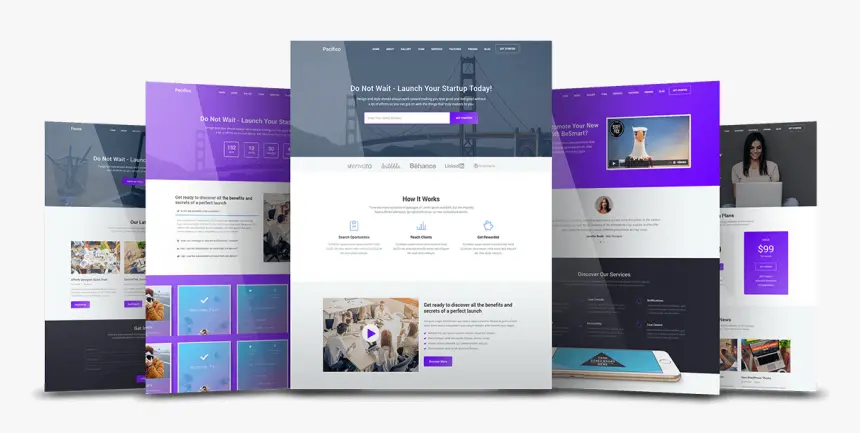
Frontend development focuses on the part of a website that users see and interact with directly. It covers everything visual and interactive — layout and design, buttons, forms, and navigation, as well as colours, fonts, and animations.
The most common frontend technologies are HTML for structure, CSS for styling, and JavaScript for interactivity. In practice, everything you see on a website — menus, images, text, and buttons — is built by frontend developers.
What is Backend Development?
Backend development is the server-side part of a website. It handles everything that happens behind the scenes, including databases, server logic, user authentication, and APIs.
Common backend technologies include Python (Django, Flask), JavaScript (Node.js), PHP, and Java. A simple example: when you log in to a website, it is the backend that verifies your credentials and grants you access.
Key Differences Between Frontend and Backend
| Feature | Frontend Development | Backend Development |
|---|---|---|
| Focus | User interface (UI) | Server-side logic |
| Languages | HTML, CSS, JavaScript | Python, PHP, Java, Node.js |
| Role | What users see | How the system works |
| Tools | React, Vue, Bootstrap | Django, Flask, Express |
| Interaction | Direct user interaction | Processes data behind the scenes |
What is Full Stack Development?
A full stack developer works on both frontend and backend. Their skills span designing user interfaces, building server-side logic, and managing databases. Full stack developers are highly in demand because they can handle entire projects independently from start to finish.
Frontend vs Backend: Which Should You Choose?
Choosing between frontend and backend largely comes down to your personal interests and strengths.
Choose frontend if you enjoy design and visuals, like working with layouts and user interfaces, and want to see immediate, tangible results from your work.
Choose backend if you enjoy logic and problem-solving, prefer working with data and systems, and are drawn to building the functionality that powers applications.
Salary and Career Opportunities
Both frontend and backend developers are in high demand globally. Frontend developers are sought after for their expertise in user experience and design, while backend developers are essential for building and maintaining system functionality. Full stack developers often earn more due to their versatility and ability to contribute across the entire development process.
How Frontend and Backend Work Together
Frontend and backend are not separate worlds — they work closely together to create a complete web experience. When a user fills out a form on a website, that data is sent to the server where the backend processes and stores it, before sending a response back to the frontend. This seamless interaction is what makes modern web applications function the way they do.
SEO Tips for Developers
Understanding both frontend and backend helps you build SEO-friendly websites. Fast loading speeds, a clean site structure, and a better overall user experience are all factors that directly influence your Google rankings — and all of them depend on decisions made on both sides of development.
Beginner Roadmap
If you are just starting out, here is a simple path to follow. Begin with the basics — HTML, CSS, and JavaScript for frontend fundamentals. Then move on to Python or Node.js for backend basics. From there, build simple projects, connect your frontend with your backend, and eventually deploy your applications to the web.
Conclusion
Frontend and backend development are both essential parts of building for the web. While frontend focuses on what users see, backend handles how everything works behind the scenes. If you are just starting out, pick one based on your interest — but eventually, learning both will give you a strong and lasting advantage in the field.
Need a Professional Website?
At Amasoft Ghana, we build complete web solutions — from frontend design to backend development. Let us help you create a powerful and scalable website for your business.